The Real "Tang Sanzang": How Deeply Have You Misunderstood Him? 真实的“唐僧”,你误会得有多深?
When people speak of Tang Sanzang (a fictional character based on Master Xuanzang), the image that surfaces in most minds is that of the fragile monk from Journey to the West—someone lacking the strength to even truss a chicken, whose compassion borders on pedantry, who weeps whenever trouble strikes, and who cannot survive without the protection of his disciples. He is often seen as cowardly, timid, and unable to distinguish right from wrong; repeatedly deceived by demons and rescued time and again by Sun Wukong (Monkey King), he seems like little more than a "mascot" on the journey to fetch scriptures.
说起唐僧,绝大多数人脑海里浮现的,都是《西游记》里那个手无缚鸡之力、慈悲到近乎迂腐、逢难必哭、离不开徒弟护持的柔弱僧人。 他胆小怯懦、是非不分,一次次被妖怪欺骗,又一次次靠着孙悟空化险为夷,仿佛只是取经路上的“吉祥物”。
But did you know? The historical Tang Sanzang is worlds apart from the artistic image penned by Wu Cheng’en. Far from a delicate monk, he was a peerless master monk who braved the Western Regions alone, traveled 50,000 miles on foot over seventeen years, and rewrote the history of Chinese Buddhism through his solitary efforts; he is the man revered by posterity as "Master Xuanzang" (Tripitaka Master).
但你知道吗? 历史上真实的唐僧,和吴承恩笔下的艺术形象,有着天壤之别。 他不是娇弱的僧人,而是孤身闯西域、徒步五万里、历时十七年,凭一己之力改写中国佛教史的盖世高僧,他就是被后世尊为“三藏法师”的玄奘。
Becoming a Monk in Youth with Great Aspirations: No Coward
少年出家,心怀大愿,绝非懦弱之辈
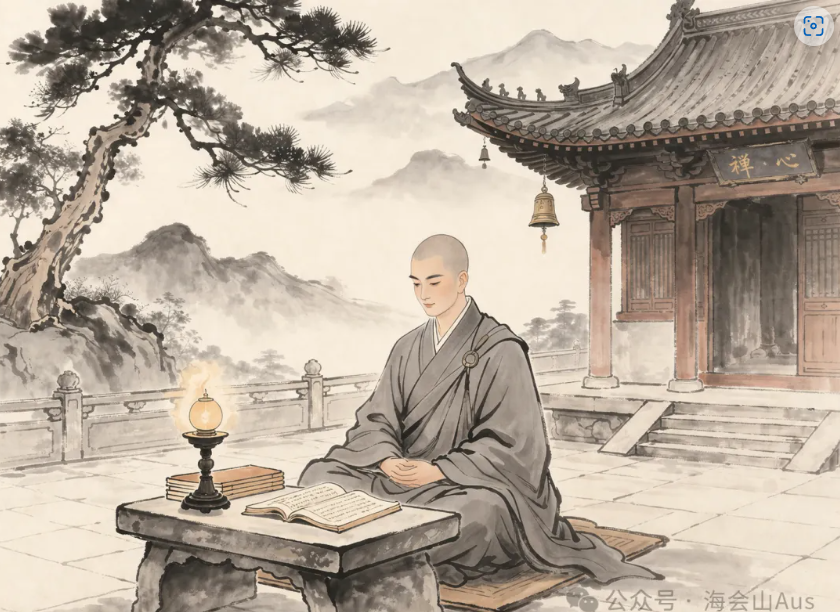
Master Xuanzang’s secular name was Chen Yi. Born in Luoyang, Henan, he was exceptionally intelligent from childhood and possessed a natural root of kindness. At the age of 12, he was officially ordained at Jingtu Temple in Luoyang. In his youth, he devoted himself to study, reading Buddhist scriptures from across the Central Plains. By his early 20s, he was already proficient in Buddhist philosophy and famous throughout Luoyang as a renowned master of Buddhism.
玄奘法师俗名陈祎,出生于河南洛阳,自幼聪慧过人,心怀善根。 12岁那年,他便在洛阳净土寺正式出家,年少潜心修学,遍读中原各地佛经,年纪轻轻就精通佛理,20多岁时便已名满洛阳,成为远近闻名的佛学大师。
During his deep study of the Dharma, Xuanzang discovered that the Chinese translations of Buddhist scriptures then in circulation were incomplete and that many teachings were contradictory. Different schools held their own views, leaving practitioners confused. He understood that to solve these Buddhist mysteries, he had to travel to the birthplace of Buddhism—Ancient India—to seek the most complete and authentic Sanskrit scriptures.
在深入研习佛法的过程中,玄奘发现国内流传的佛经译本残缺不全、诸多教义相互矛盾,不同学派各执一词,让修行者无所适从。 他深知,想要破解佛法迷局,唯有前往佛教发源地——古印度,求取最完整、最正宗的梵文真经。
At that time, the Tang Dynasty had only recently stabilized the empire, and the court strictly forbade citizens from leaving the country privately. Furthermore, the road to the West was fraught with deserts, snow-capped mountains, bandits, and foreign tribes—a journey where survival was a one-in-ten chance. Yet, Xuanzang did not shrink back. He made a grand vow: seeking neither wealth nor stability, even if his body were crushed to pieces, he was determined to bring back the true scriptures, propagate the Right Dharma, and deliver all living beings. This resolve and courage stand in stark contrast to the timid Tang monk portrayed in the novel.
彼时的唐朝,初定天下,朝廷严禁百姓私自出境,西行之路更是遍布荒漠、雪山、劫匪与异族,九死一生。 但玄奘没有丝毫退缩,他立下宏愿:不求富贵、不恋安稳,纵然粉身碎骨,定要取回真经,弘扬正法,度化众生。 这份决绝与勇气,与小说里胆小怕事的唐僧,判若两人。
Westward Bound Alone, Walking Ten Thousand Miles Through Hardship
孤身西行,徒步万里,踏平人间艰险
In the first year of Zhenguan (627 AD), the 27-year-old Xuanzang set out from Chang'an on his quest for the Dharma. He lacked the status of being the Emperor’s "sworn brother," had no official travel permits, no white horse entourage, and certainly no disciples like Sun Wukong, Zhu Bajie, or Sha Wujing to protect him. He traveled entirely alone.
贞观元年(公元627年),27岁的玄奘,没有唐太宗的御弟身份,没有通关文牒,没有白马随从,更没有孙悟空、猪八戒、沙僧三位徒弟保驾护航,独自一人从长安出发,踏上了西行求法之路。
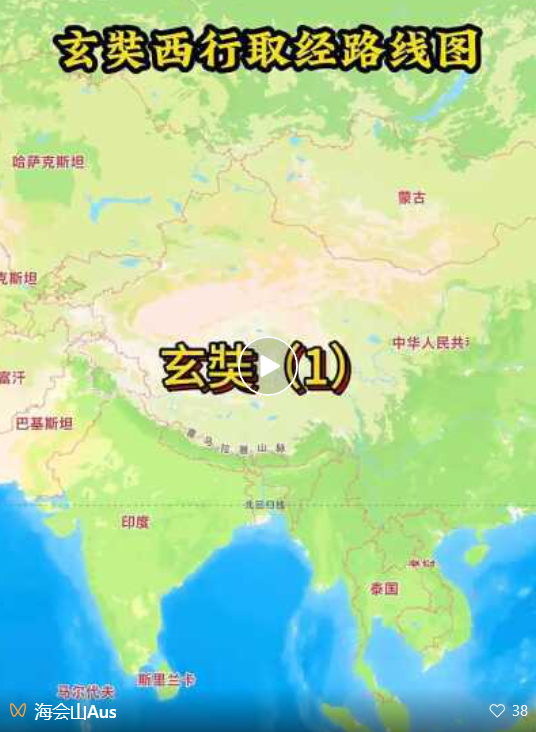
Following the Silk Road, he crossed the Hexi Corridor, passed through over a hundred ancient kingdoms in the Western Regions, scaled snow-capped mountains thousands of meters high, and traversed desolate Gobi deserts. He traveled almost entirely on foot for a total of 50,000 miles. The hardships and dangers he faced were far more real and lethal than the "eighty-one tribulations" found in Journey to the West.
他沿着丝绸之路,穿越河西走廊,途经上百个西域古国,翻越海拔数千米的雪山,走过荒无人烟的戈壁沙漠,全程几乎靠双脚徒步前行,行程足足五万里,途中的艰难险阻,远比《西游记》里的九九八十一难更真实、更致命。
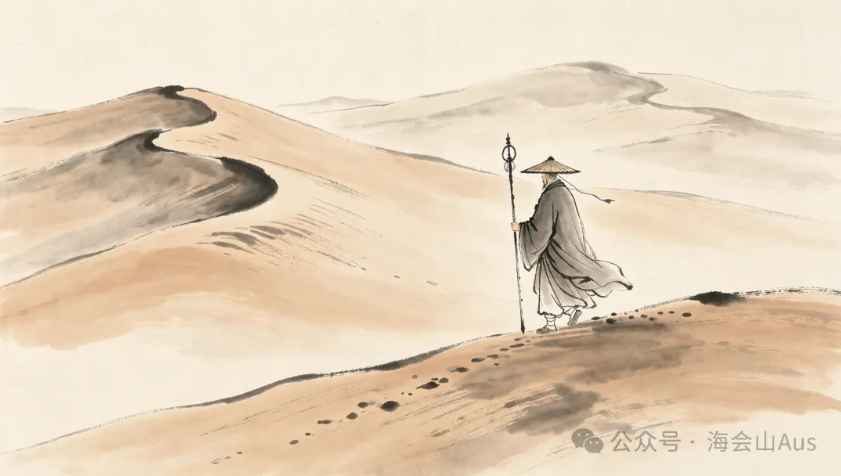
The most dangerous part of his journey was crossing the 800-mile Moheyanqi Desert. Here, the sky was filled with yellow sand, nothing grew, and there were neither birds above nor beasts below. While traveling alone, Xuanzang accidentally spilled his water bag. He went without a drop of water for four days and five nights, suffering from extreme thirst and exhaustion, falling into a coma several times. At the brink of death, he dreamt of a Vajra-warrior appearing and rebuking him: "You have vowed to seek the true scriptures; how can you give up halfway and stop here!"
西行路上,最凶险的莫过于穿越八百里莫贺延碛大沙漠。 这里黄沙漫天、寸草不生,上无飞鸟、下无走兽,玄奘孤身前行,不慎打翻水袋,整整四天五夜滴水未进,口干舌燥、体力透支,几度陷入昏迷。 弥留之际,他梦中见到金刚力士现身,厉声呵斥他:“你立志求取真经,怎能在此半途而废、停滞不前!”
Awakened from his dream, Xuanzang regained his conviction and dragged his exhausted body forward. The thin, red old horse accompanying him, relying on its familiarity with the desert, carried him for dozens of miles until they finally found a spring, narrowly saving his life.
梦中惊醒,玄奘重拾信念,拖着疲惫的身躯继续前行,陪伴他的那匹赤瘦老马,凭着对沙漠的熟悉,带着他狂奔数十里,终于找到一潭清泉,才侥幸捡回一条性命。
Beyond the harsh natural environment, human disasters were constant. He was intercepted by bandits multiple times, his belongings were looted, and his life was repeatedly threatened. While passing through foreign tribes in the Western Regions, he was once captured by locals who followed non-Buddhist paths, tied to an altar, and nearly sacrificed to their gods. While crossing snow-capped mountains, he encountered blizzards; amid freezing cold and hunger, many of his companions perished, yet he survived through sheer willpower.
除了恶劣的自然环境,人为的灾祸更是层出不穷。 他曾多次遭遇劫匪,随身财物被洗劫一空,险些丧命;途经西域异族部落时,曾被信奉外道的土著抓住,绑上祭坛,要将他当作祭品献祭神明;在翻越雪山时,遭遇暴风雪,冻饿交加,无数同行者葬身雪山,唯有他凭着坚定的意志死里逃生。
Throughout the journey, he faced death several times, but never once did the thought of giving up cross his mind. Only his obsession with bringing back the true scriptures sustained him through the thorns of the path.
一路上,他数次濒临死亡,却从未有过一丝放弃的念头,心中唯有取回真经的执念,支撑着他走过一路荆棘。
Studying in India, Famed Across the Subcontinent as a Great Master
求学印度,名震天竺,成为一代宗师
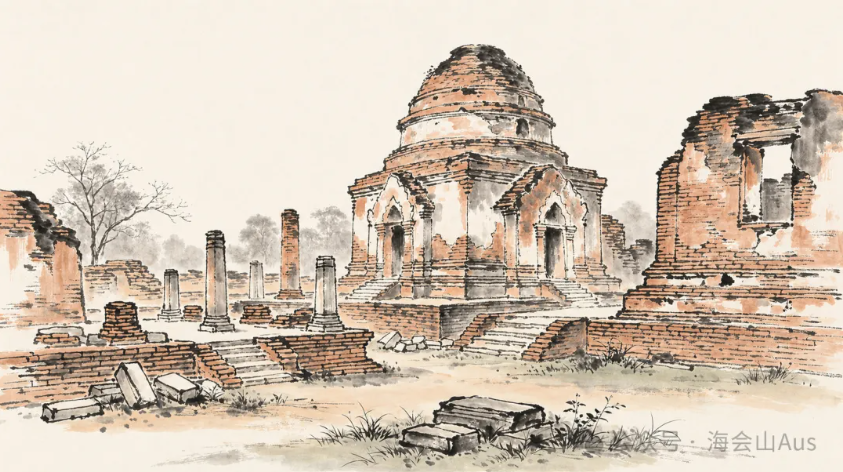
After years of wandering and hardship, Xuanzang finally reached Ancient India and entered Nalanda University, the highest Buddhist institution of the time. There, he became a student of the hundred-year-old Master Silabhadra. He immersed himself in the study of Sanskrit classics, mastered both Mahayana and Hinayana doctrines, and also studied various secular philosophies.
历经数年颠沛流离,玄奘终于抵达古印度,进入当时印度的最高佛学学府——那烂陀寺。 在这里,他拜百岁高僧戒贤法师为师,潜心研习梵文经典,遍学佛教大小乘教义,兼修世间诸子百家之学。
With his extraordinary talent and hard work, he mastered the essence of Indian Buddhism within a few years. Not only did he understand all the Buddhist scriptures and treatises, but he was also able to synthesize them and expound their profound meanings. After completing his studies, Xuanzang traveled across India lecturing on the Dharma, winning over countless Indian monks and non-Buddhist scholars with his profound knowledge.
他天资卓绝、刻苦钻研,短短数年,便精通印度佛学精华,不仅通晓全部佛法经论,更能融会贯通、阐扬精义。 学成之后,玄奘在印度各地游学讲法,凭借深厚的学识,折服了无数印度高僧与外道学者。
At the great "Quinquennial Assembly" (a national Buddhist debate) hosted by King Harshavardhana, Xuanzang served as the principal debater. Facing 18 kings from all over India, over 4,000 eminent Buddhist monks, and more than 2,000 non-Buddhist masters, he spoke eloquently on the truths of the Dharma. For eighteen consecutive days, no one could refute his views. Instantly, Xuanzang's fame shook all of India; he was revered as "Mahayanadeva" (God of the Mahayana) and "Moksadeva" (God of Liberation), becoming a recognized top-tier master in the Indian Buddhist world.
在戒日王举办的“无遮大会”全国佛法辩论大会上,玄奘担任论主,面对全印度18位国王、4000多位佛教高僧、2000多位外道宗师,他侃侃而谈,阐发佛法真谛,连续十八天,无一人能驳倒他的观点。 一时间,玄奘名震整个印度,被尊为“大乘天”“解脱天”,成为印度佛学界公认的顶级大师。
Despite achieving supreme glory in a foreign land, Xuanzang never forgot his original intention. He turned down the persistent requests from various Indian kingdoms to stay and resolutely embarked on his journey home, solely to bring authentic scriptures back to his country and remedy the shortcomings of Buddhism in the Central Plains.
即便在异国他乡获得无上荣耀,玄奘始终没有忘记初心,他拒绝了印度各国的极力挽留,毅然踏上归国之路,只为将正宗佛经带回祖国,弥补中原佛法的缺憾。
Returning Home to Translate Scriptures: A Legacy for the Ages
归国译经,功在千秋,铸就不朽传奇
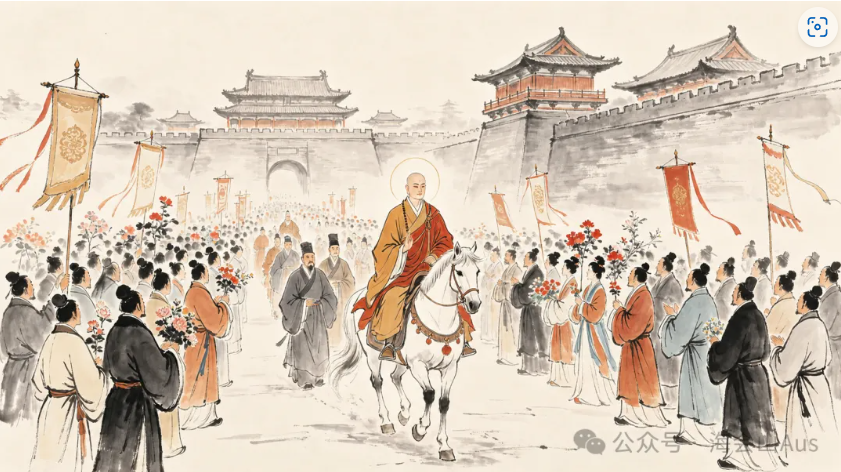
In the 19th year of Zhenguan (645 AD), Xuanzang returned to Chang'an with 657 Sanskrit scriptures and hundreds of Buddhist statues and relics. The entire city lined the streets to welcome him, and Emperor Taizong received him personally, filled with admiration.
贞观十九年(公元645年),玄奘带着657部梵文真经、数百尊佛像舍利,重返长安,全城百姓夹道相迎,唐太宗亲自召见,对他敬佩不已。
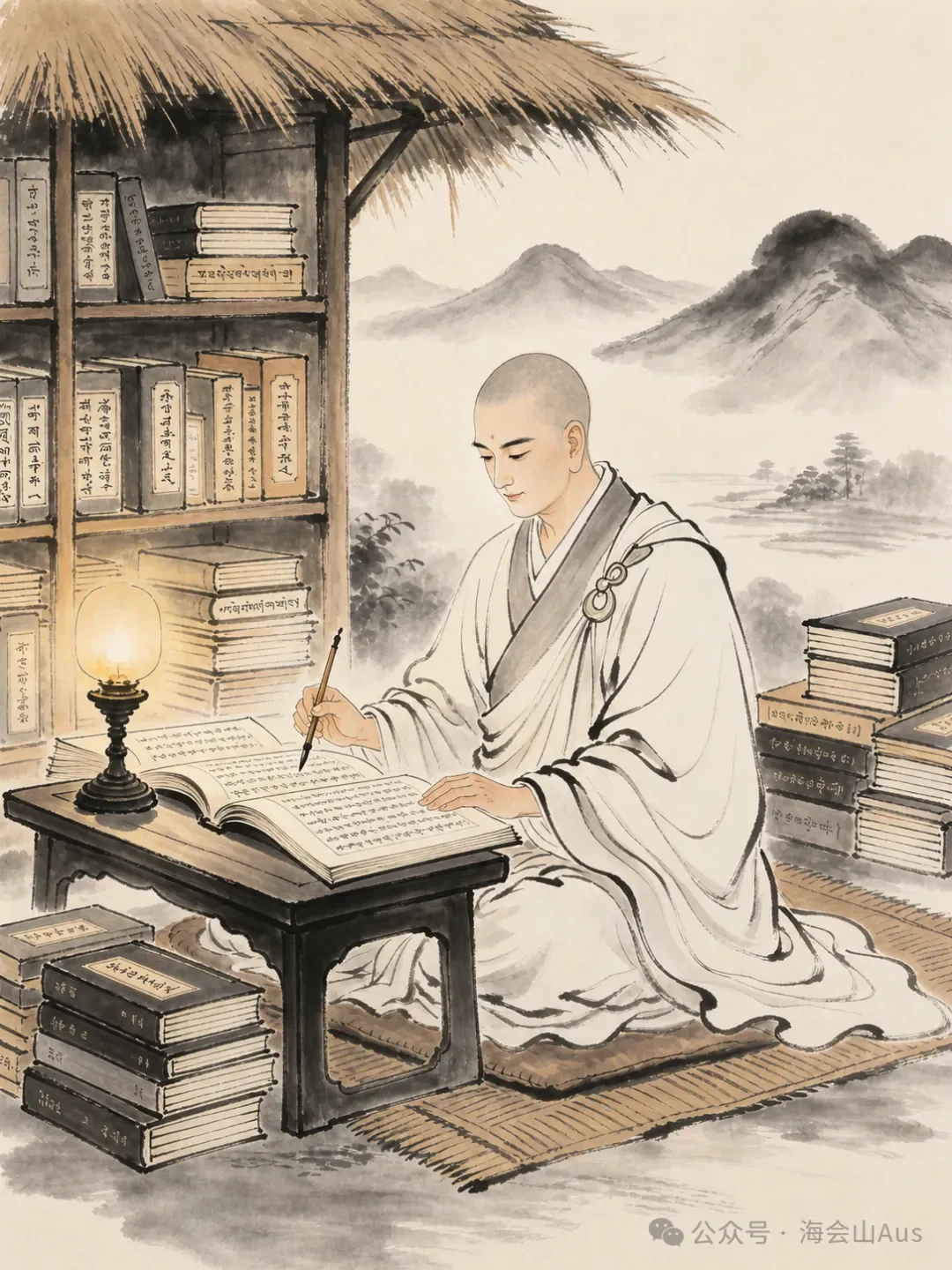
For the next nineteen years, Xuanzang refused high-ranking government positions and wealth, dedicating himself entirely to the cause of translating Buddhist scriptures. He oversaw the construction of the Big Wild Goose Pagoda to store the scriptures he had brought back. Leading his disciples, he worked day and night to translate the texts, completing a total of 1,335 volumes—a word count far exceeding the combined work of all translation masters who followed him.
此后的十九年里,玄奘拒绝了朝廷的高官厚禄,全身心投入佛经翻译事业。 他主持修建大雁塔,珍藏取回的真经,带领弟子夜以继日翻译佛经,一生共翻译经论1335卷,字数远超后世所有译经大师的总和。
He also compiled his observations from seventeen years in the West into the Great Tang Records on the Western Regions. This work detailed the geography, history, culture, and customs of over 110 countries across the Western Regions, Central Asia, and India. It remains a precious document for studying the ancient history of Central and South Asia and is a treasure of world cultural history.
他还将自己西行十七年的所见所闻,写成《大唐西域记》,详细记载了西域、中亚、印度110多个国家的地理、历史、文化、风俗,成为研究古代中亚、南亚历史的珍贵文献,更是世界文化史上的瑰宝。
Mr. Lu Xun once said: "Since ancient times, we have had people who work in silence, people who work desperately hard, people who petition for the people, and people who sacrifice themselves for the Dharma... these are the backbone of China." Xuanzang is the quintessential model of "sacrificing oneself for the Dharma" and is truly the backbone of China.
鲁迅先生曾说:“我们从古以来,就有埋头苦干的人,有拼命硬干的人,有为民请命的人,有舍身求法的人……这就是中国的脊梁。” 而玄奘,正是“舍身求法”的典范,是当之无愧的中国脊梁。
He was not the weak Tang monk in the novel who needed his disciples' protection; he was brave, determined, learned, and persistent. He was a great monk who single-handedly overcame tens of thousands of miles of danger to establish immortal merits for Chinese culture and Sino-Indian exchange.
他不是小说里那个需要徒弟庇护的懦弱唐僧,而是勇敢、坚毅、博学、执着,凭一己之力跨越万里艰险,为中华文化、中印交流立下不朽功勋的伟大高僧。
Do not be misled by Journey to the Westany longer. The real Master Xuanzang had no supernatural disciples, yet he used his own feet to carve out a path for the Dharma that shocks both ancient and modern times. His spirit is far more moving than any myth and is more worthy of our eternal remembrance and respect.
别再被《西游记》误导,真正的玄奘法师,没有神通广大的徒弟,却用自己的双脚,走出了一条震撼古今的求法之路,他的精神,远比神话故事更动人,更值得我们永远铭记与敬仰。
Watch a video on Shifu Shengchi on Master Xuanzang’s Real Journey to the West
Namo Amitabha Buddha 🪷🙏